The Rise of Multimodal AI: Beyond Text-Based Chatbots

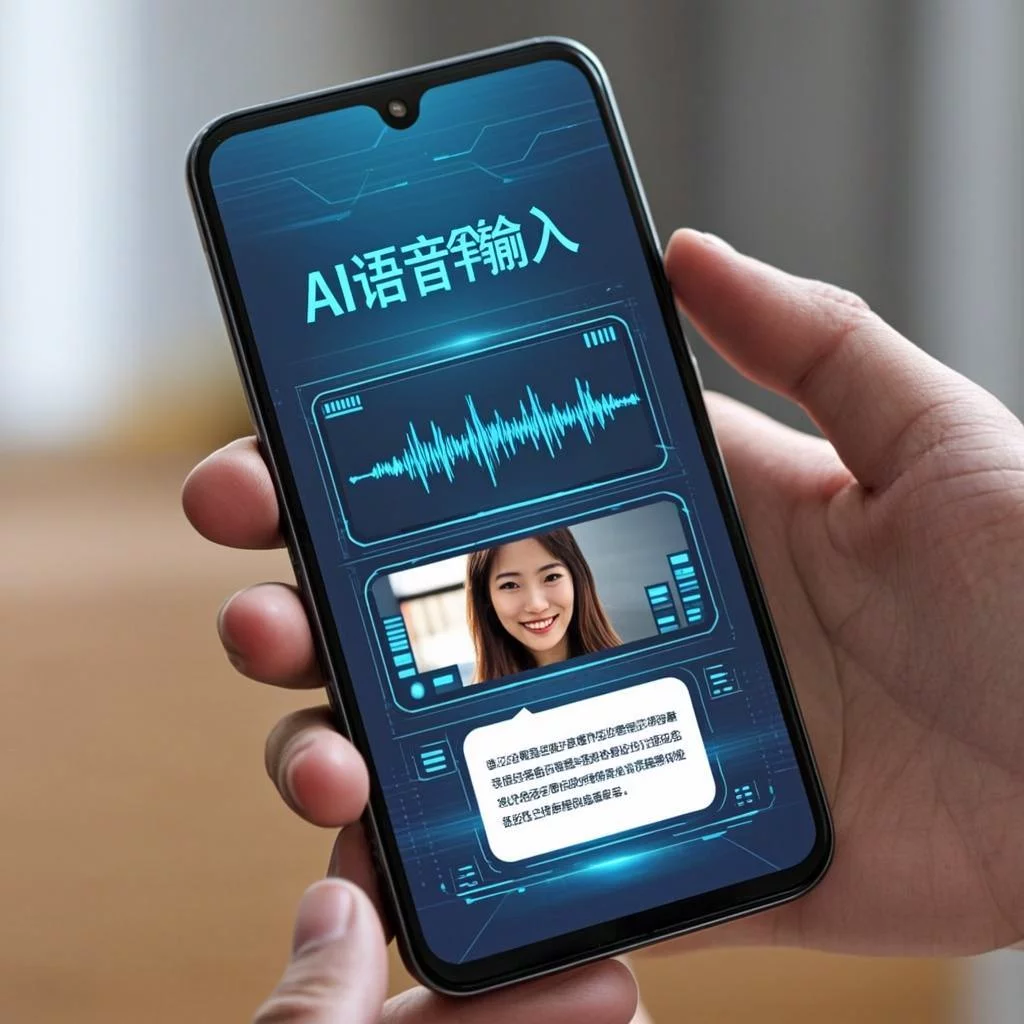
The next evolution of AI is here: Multimodal AI — artificial intelligence that can see, hear, read, write, and understand the world like humans do.
Gone are the days of text-only chatbots that struggle with context. Today's AI can analyze images, understand voice conversations, process documents, and even watch videos — all in one system.
The Shift
From single-mode chatbots to AI that understands the world through sight, sound, and text
What Is Multimodal AI?
Multimodal AI combines multiple types of data processing into a single model. Instead of separate systems for text, images, and audio, multimodal AI understands them together.
Think of it this way:
- Old AI: "I only understand text. Send me an image? No clue."
- Multimodal AI: "I see that photo, I hear your voice note, I read the caption — and I understand how they all connect."
Human-like understanding: Multimodal AI mirrors how humans process the world — through multiple senses working together.
Why This Matters for Small Businesses
1. Better Customer Service
Customers don't just type — they send photos, voice messages, and screenshots. A multimodal AI customer service bot can:
- See a product photo and answer questions about it
- Listen to a voice message and understand the issue
- Read a screenshot of an error message and provide solutions
- Process all of these inputs in one conversation
data analytics The Impact
2. Content Creation at Scale
Multimodal AI isn't just for understanding — it's for creating too:
- Visual marketing: Generate product images with AI that understands your brand
- Social media: Create captions, hashtags, and images in one workflow
- Video editing: AI that can analyze video footage and suggest edits
- Audio content: Generate voiceovers or transcribe meetings automatically
3. Document Processing
Small businesses drown in documents: invoices, contracts, forms, receipts. Multimodal AI can process them all:
- Scan and understand: Take a photo of a document, AI extracts the data
- Handwriting recognition: Read handwritten notes or signatures
- Form filling: Auto-populate forms from scanned documents
- Compliance checking: Verify documents meet requirements
Real-World Applications
E-Commerce
Customers can upload photos of products they're looking for, and AI finds matches in your catalog. Visual search becomes a reality.
Healthcare
Patients can describe symptoms, upload photos of skin conditions, or record voice notes. AI combines all inputs for better triage.
configuration Field Services
Technicians can send photos of equipment issues, describe problems via voice, and get AI-powered repair guidance instantly.
Design & Creative
AI can analyze mood boards, understand brand guidelines, and generate on-brand visuals and copy that match your vision.
How Multimodal AI Works
Under the Hood
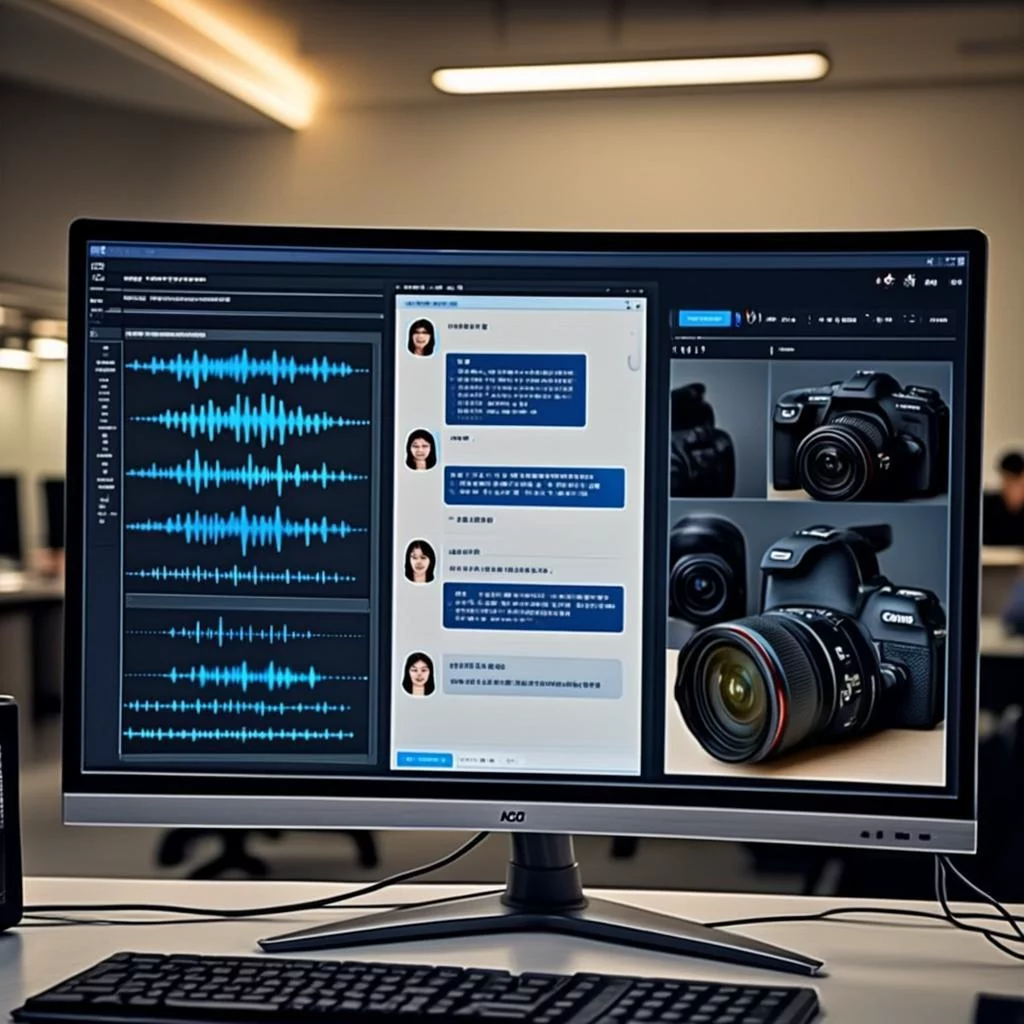
Multimodal AI uses specialized neural networks for each type of data:
- Vision encoders: Process images and videos
- Audio encoders: Understand voice and sound
- Text encoders: Read and write language
These encoders feed into a shared representation space where all inputs are understood together. The model learns connections between modalities — how text describes images, how audio relates to video, and so on.
The Training Process
Multimodal models are trained on vast datasets containing:
- Images with captions and descriptions
- Videos with transcripts and audio
- Documents with text and visual elements
- Voice recordings with transcripts
This training teaches the AI to understand relationships between different types of data, creating a unified understanding of the world.
Key Multimodal Capabilities
Image Understanding
Describe images, identify objects, read text in photos, understand scenes and context
Voice AI
Transcribe speech, understand tone and emotion, generate natural voiceovers, translate in real-time
Document Intelligence
Extract data from forms, understand layouts, read handwriting, process structured documents
Video Analysis
Understand video content, detect actions, analyze scenes, generate captions and summaries
Popular Multimodal AI Platforms (2026)
OpenAI GPT-4o/V
Industry-leading multimodal capabilities with strong vision and voice understanding. Best for general-purpose multimodal tasks.
Google Gemini
Excellent at cross-modal reasoning — connecting text, images, and video in sophisticated ways. Strong in research and analysis.
Claude 3.5 Sonnet
Great at following complex instructions across modalities while maintaining safety and accuracy.
Anthropic Claude
Focused on safe, helpful multimodal interactions with strong document understanding capabilities.
Getting Started with Multimodal AI
Identify Use Cases
Start by asking: Where would understanding multiple types of input help my business?
- Customer service (photos, voice messages)
- Document processing (invoices, forms)
- Content creation (images + captions)
- Product search (visual search)
Pick the Right Tool
targeted Quick Start
Scale Up
Build Gradually
Don't try to replace everything at once:
- Pilot one use case — e.g., visual product search
- Measure results — track customer satisfaction, resolution rates
- Iterate — refine based on feedback
- Expand — add more multimodal capabilities
Challenges to Consider
Data Privacy
Multimodal AI processes rich data — images of people's faces, voice recordings, documents with personal info. You'll need robust privacy controls and possibly local deployment for sensitive use cases.
Cost
Multimodal processing is more computationally expensive than text-only. Cloud APIs cost more, and local models require better hardware.
Accuracy Trade-offs
While multimodal AI is impressive, it's not perfect. Expect some errors in complex scenarios and design fallback processes.
The Future of Multimodal AI
We're just getting started. Expect to see:
- Better real-time processing: Faster multimodal understanding for live video calls
- More modalities: AI that understands smell, touch, and other senses
- Better cross-modal reasoning: Deeper understanding of how modalities relate
- Specialized models: Industry-specific multimodal AI for healthcare, finance, etc.
The vision: Within 5 years, every small business will have AI agents that can see, hear, and understand like humans do.
Bottom Line
Multimodal AI represents a fundamental shift in how businesses can interact with customers and process information.
By understanding the world through sight, sound, and text together, AI systems become more helpful, more accurate, and more human-like in their interactions.
For small businesses, this means better customer service, more efficient operations, and the ability to scale personalized experiences without hiring an army of humans.
The businesses that adopt multimodal AI now will have a significant competitive advantage as these capabilities become table stakes.
Need Help with Multimodal AI?
Not sure where to start? We help small businesses identify the right multimodal AI use cases and implement solutions that drive real results.
Get in touch to discuss how multimodal AI can transform your customer experience.